The Honest Reality of Maintaining Quartz and Granite Kitchen Counters
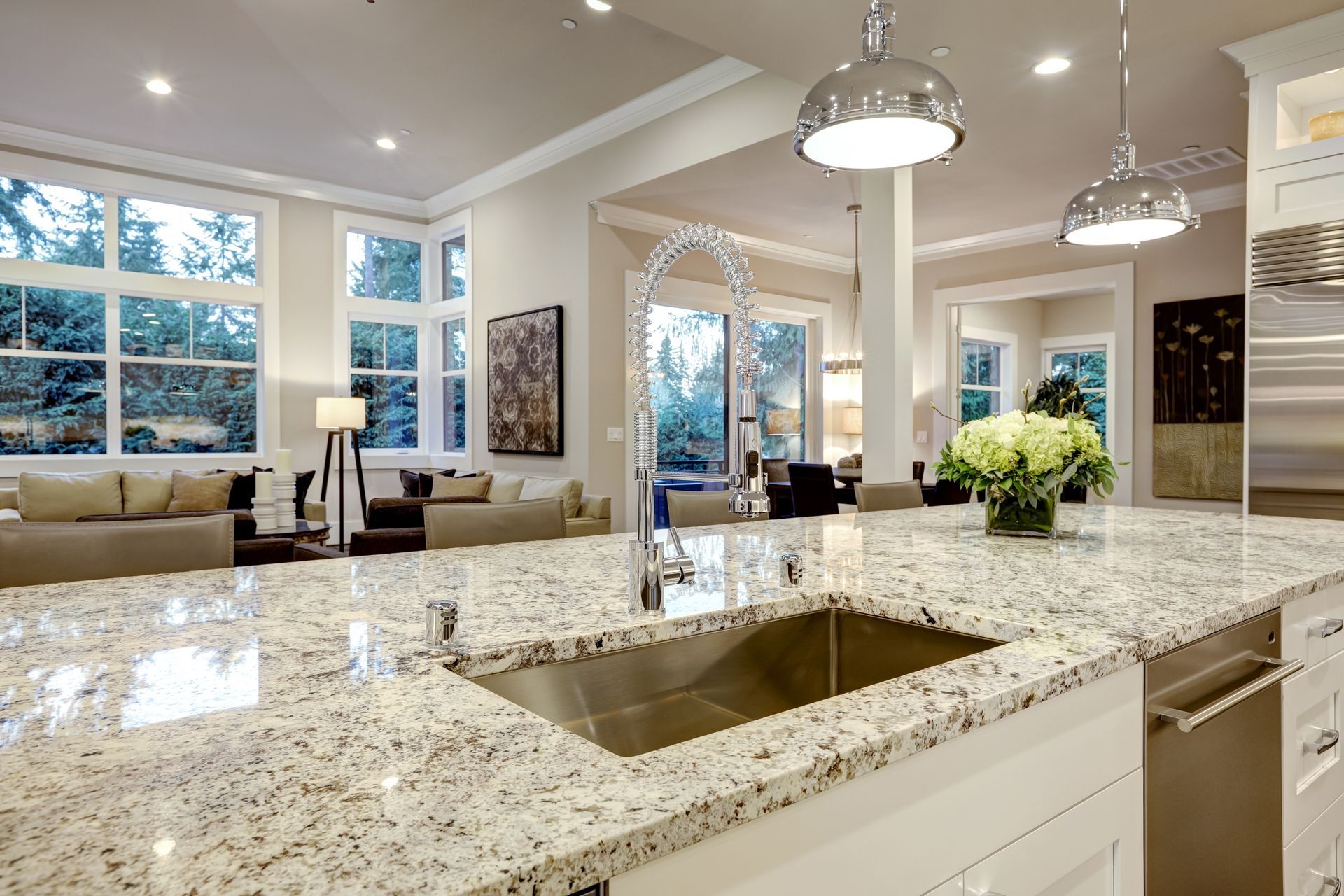
Upgrading to premium stone countertops is a major milestone for any residential kitchen project. The remodeling experts at Kainos Custom Homes install these heavy materials for clients constantly around Raymore MO. Property owners invest in natural granite or engineered quartz expecting these hard surfaces to be completely indestructible.
The reality is that premium countertops demand specific care routines to prevent chemical etching and physical chips. Proper quartz and granite maintenance requires understanding the differences between natural porous rock and engineered resin surfaces. Following a strict cleaning protocol protects your expensive investment and keeps your cooking space looking pristine for decades.
Maintenance Guide Sections:
- Immediate Aftercare and Daily Cleaning Habits
- Common Maintenance Mistakes That Ruin Stone
- Can you use bleach or glass cleaner on quartz countertops?
- Long Term Protection and Sealing Schedules
Immediate Aftercare and Daily Cleaning Habits
Developing the right daily cleaning habits is the easiest way to protect the factory finish on your new stone. You must remove food spills quickly before natural acids have a chance to react with the surface materials.
• Gentle Wiping: Use a soft microfiber cloth and warm water to wipe down the counters immediately after food preparation.
• Dedicated Cleaners: Purchase a pH neutral stone cleaner designed specifically for granite and quartz to remove stubborn cooking grease.
• Spill Management: Wipe up acidic liquids like lemon juice, tomato sauce, and red wine the moment they hit the counter to prevent permanent staining.
Common Maintenance Mistakes That Ruin Stone
Homeowners frequently damage their own expensive kitchen remodeling investments by using the wrong household products. Treating natural stone like cheap laminate is a rapid path to a dull and ruined surface.
• Harsh Scrubbing: Using steel wool or abrasive scouring pads physically scratches the polished resin finish on quartz surfaces.
• Thermal Shock: Placing a boiling hot cast iron pan directly onto cold quartz can cause the engineered resins to melt or crack the slab completely.
• Edge Impacts: Banging heavy ceramic pots against the exposed edge of the stone around the sink cutout will cause permanent chips that are difficult to repair.
► Vinegar is highly acidic and will physically dissolve the protective sealants on granite while permanently dulling the shine of the stone.
Can you use bleach or glass cleaner on quartz countertops?
You should never use bleach, glass cleaner, or any high pH chemical on a quartz countertop. Quartz is an engineered product made from crushed stone bound together by polymer resins. Harsh chemicals like bleach physically break down those resins, leaving white cloudy stains and permanent dull spots that cannot be polished out by a professional.
Long Term Protection and Sealing Schedules
While daily cleaning keeps the surface looking good, long term maintenance requires specialized protective coatings. Knowing when your stone needs professional attention stops minor wear and tear from becoming permanent damage.
• Granite Sealing: Apply a high quality penetrating stone sealer to natural granite every twelve to eighteen months to block liquid absorption.
• Water Testing: Drip water onto your granite every few months to see if it beads up properly, indicating the current sealer is still actively working.
• Quartz Reality Check: Remember that engineered quartz never needs to be sealed because the manufacturing resins already make the slab completely nonporous.
Preserving Your Kitchen Upgrades
Consistency is the secret to keeping your luxury stone surfaces in flawless condition year after year. Sticking to mild soaps and utilizing proper heat pads ensures your counters survive the rigors of daily meal prep. If your existing kitchen is ready for a major material upgrade, contact Kainos Custom Homes to explore the best stone options for your cooking habits.
Share This Blog