Deck Ledger Board Failure: Why Decks Collapse and How to Prevent It
A backyard deck pulling away from the main house is one of the most dangerous structural hazards a property owner can face. The decking and general contracting crews at Kainos Custom Homes frequently investigate these alarming structural failures in neighborhoods around Shawnee KS. Property owners often focus entirely on the appearance of the surface boards while completely ignoring the vital connection point holding the entire structure aloft.
The ledger board is the thick piece of framing lumber bolted directly to the side of your home that supports half the weight of the deck. When water infiltrates this connection point, it silently destroys the wood fibers and rusts the heavy metal fasteners. Understanding deck ledger board failure is the only way to recognize the warning signs and stop a catastrophic collapse before someone is seriously injured.
What We Cover:
- The Science Behind Ledger Board Water Rot
- How do I know if my deck ledger board is rotting?
- Why DIY Flashing Repairs Usually Make the Rot Worse
- Professional Methods for Securing the Deck Structure
- Halting Structural Failure Before It Starts
The Science Behind Ledger Board Water Rot
Wood framing naturally absorbs and releases moisture depending on the ambient humidity and seasonal rainfall. When a deck ledger is bolted directly against the side of a house without proper spacing or metal flashing, it creates a tight crevice where rainwater becomes permanently trapped. This constant moisture exposure prevents the lumber from ever drying out, which invites aggressive fungal growth and wood destroying insects into the frame.
→ A quick tip to remember: Wood rot requires trapped moisture to spread, making proper drainage behind the ledger board absolutely critical for long term safety.
As the fungi consume the cellulose inside the lumber, the solid wood turns into a soft, spongy material that can no longer hold the weight of the heavy metal lag bolts. The bolts begin to sag under the extreme vertical load of the deck framing and the people standing on it. Eventually, the decayed wood simply gives way, causing the entire deck structure to shear off the side of the house in a matter of seconds.
How do I know if my deck ledger board is rotting?
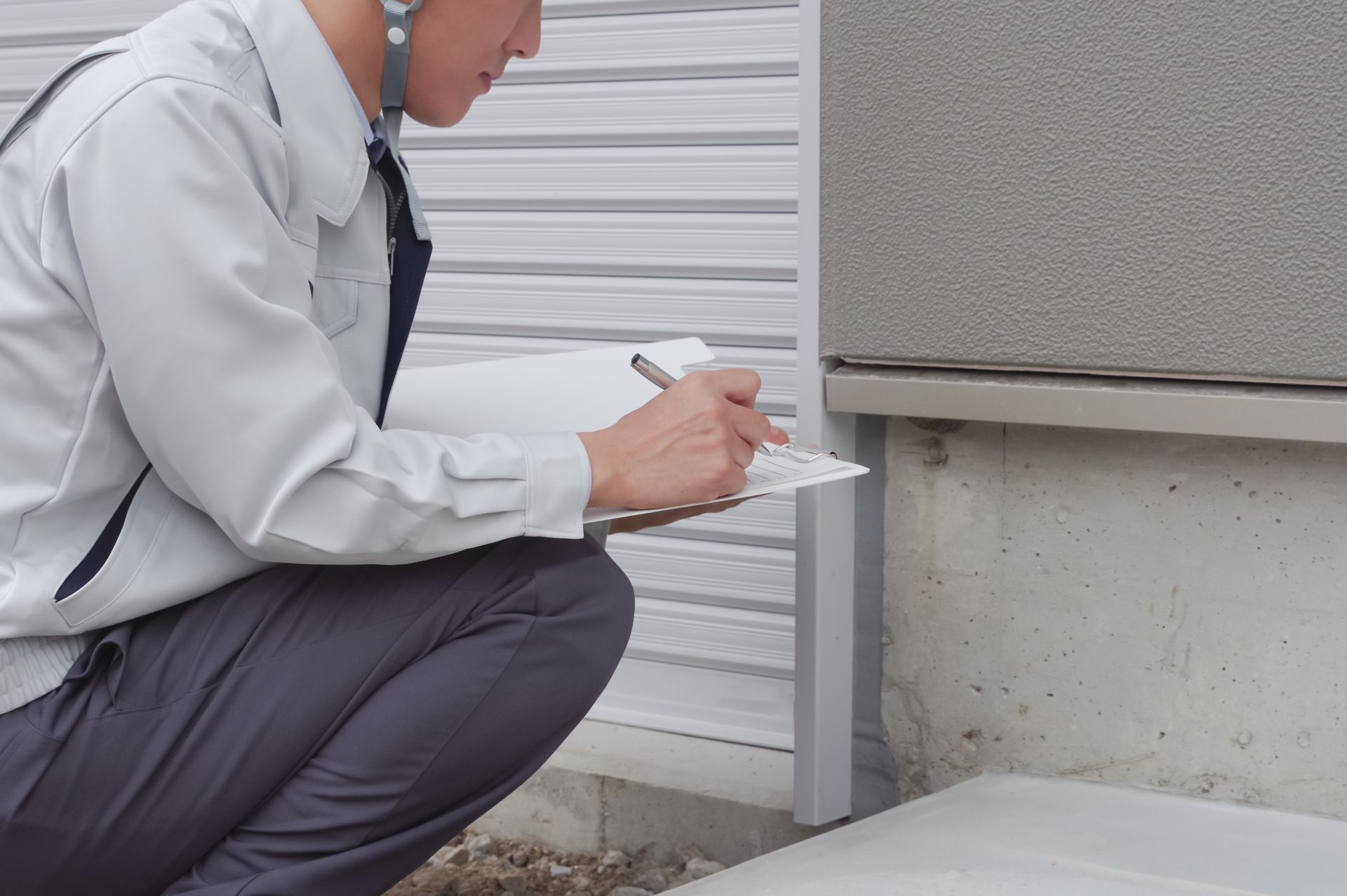
You can identify a rotting ledger board by inspecting the connection point from underneath the deck with a strong flashlight and a flathead screwdriver. Look for dark, soggy patches of wood or thick white fungal growth spreading across the lumber near the house siding. If you can easily push the tip of the screwdriver deep into the wood near the heavy metal bolts with bare hands, the ledger board is actively rotting and structurally compromised.
Why DIY Flashing Repairs Usually Make the Rot Worse
When homeowners spot water dripping behind their deck ledger, their first instinct is usually to grab a tube of cheap silicone sealant and caulk the gap closed. This DIY approach is incredibly dangerous and is a leading cause of accelerated framing rot. Caulking the top of the ledger board might stop surface water from getting in, but it also traps the existing internal moisture completely, turning the wood cavity into a humid greenhouse.
→ From a professional standpoint: Surface caulking is never an acceptable substitute for rigid metal flashing and proper house wrap integration.
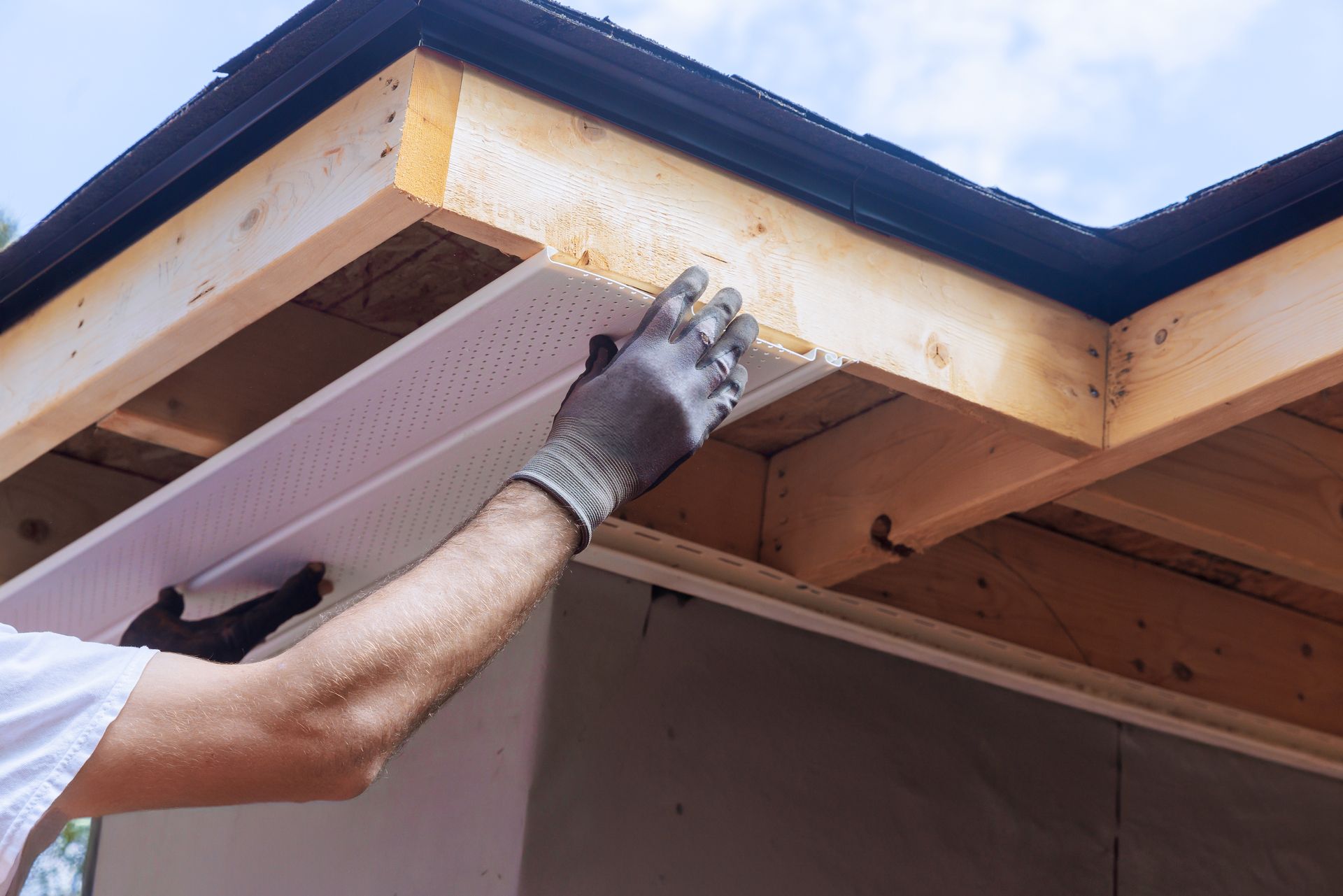
Attempting to slide thin pieces of aluminum behind the existing siding without removing the deck boards also fails to create a watertight barrier. True ledger flashing requires integrating a Z-shaped metal profile directly behind the weather barrier of the house and over the top lip of the deck board. Handyman fixes that ignore the structural load paths and moisture escape routes simply mask the rot while the metal bolts continue to rust away in the dark.
Professional Methods for Securing the Deck Structure
Fixing a compromised ledger connection requires heavy lifting and advanced trade knowledge of local building codes. A qualified contractor will temporarily support the massive weight of the floor joists with hydraulic jacks before removing the decayed lumber entirely. The crew must then inspect the rim joist of the main house to ensure the rot has not spread into your interior floor system.
Proper reinstallation involves using specialized structural screws instead of traditional lag bolts, combined with heavy duty self sealing membrane tapes. A professional will also leave a slight gap between the new ledger board and the siding to allow rainwater to wash straight through without pooling. This meticulous attention to water management guarantees the new connection will remain solid and safe for decades.
Halting Structural Failure Before It Starts
Ignoring a soft or shifting deck connection puts your family and guests at immediate physical risk. Taking the time to properly diagnose and replace a rotting ledger board restores the structural integrity of your outdoor living space. You need a contractor who understands exactly how water moves through structural framing. Contact Kainos Custom Homes today to inspect your deck connections and rebuild your outdoor space the right way.
Share This Blog