Wood vs. PVC Decking Lifespan: The Honest Truth for Property Owners
Choosing the right material for a new outdoor living space is the most critical decision a property owner will make. At Kainos Custom Homes, we build custom decks throughout Overland Park KS and have seen exactly how different materials age over decades of use. The decking industry relies heavily on marketing terms that often blur the line between laboratory testing and real world exposure.
Many buyers commit to expensive synthetic boards believing they will never have to lift a finger again. Others choose traditional lumber expecting a little stain will keep it looking brand new forever. We want you to understand the exact maintenance realities and lifespan limits of these materials before you finalize your general contracting budget.
Article Contents:
- The Truth About Maintenance Free Promises
- Realistic Expectations for PVC Decking Lifespan
- Where Property Owners Underestimate Wood Deck Upkeep
- How Installation Quality Dictates Final Results
- Frequently Asked Questions
The Truth About Maintenance Free Promises
There is no such thing as a truly maintenance free building material. Every product installed on the exterior of your home requires some level of physical upkeep to survive seasonal weather changes. PVC decking requires significantly less work than traditional wood, but it is not immune to nature. Dirt, pollen, and tree sap will accumulate on synthetic boards and bake into the plastic if left unwashed.
→ A quick tip to remember: You must actively wash synthetic decking every spring with a specialized cleaner to prevent organic buildup.
If organic matter sits on a synthetic deck in a shaded area, mold and mildew will grow on top of the dirt layer. While the PVC itself will not rot, the surface will become dangerously slippery and visually unappealing. Buyers must mentally prepare to scrub their synthetic decks annually to maintain that premium appearance.
Realistic Expectations for PVC Decking Lifespan
Synthetic boards offer incredible longevity because they do not absorb moisture or provide a food source for wood destroying insects. A high quality PVC deck can easily last twenty five to thirty years without any structural degradation to the boards themselves. The actual PVC decking lifespan is usually limited by the wooden framing beneath it, not the synthetic boards on top.
→ From a professional standpoint: The aesthetic finish of synthetic boards will gently fade over the first few years of UV exposure before stabilizing.
While synthetic boards resist moisture perfectly, they are susceptible to surface scratches from heavy patio furniture or aggressive dog claws. Unlike wood, you cannot simply sand down a scratch in a plastic board to make it disappear. Scratches in synthetic boards are permanent and must be managed by using protective pads under heavy metal chairs and tables.
Where Property Owners Underestimate Wood Deck Upkeep
Traditional pressure treated wood is highly affordable upfront but demands a relentless maintenance schedule. Property owners drastically underestimate the physical labor and ongoing costs required to keep wood from splintering. Wood is a natural sponge that constantly expands in the rain and shrinks in the sun. This continuous movement forces the wood to crack, cup, and warp over time.
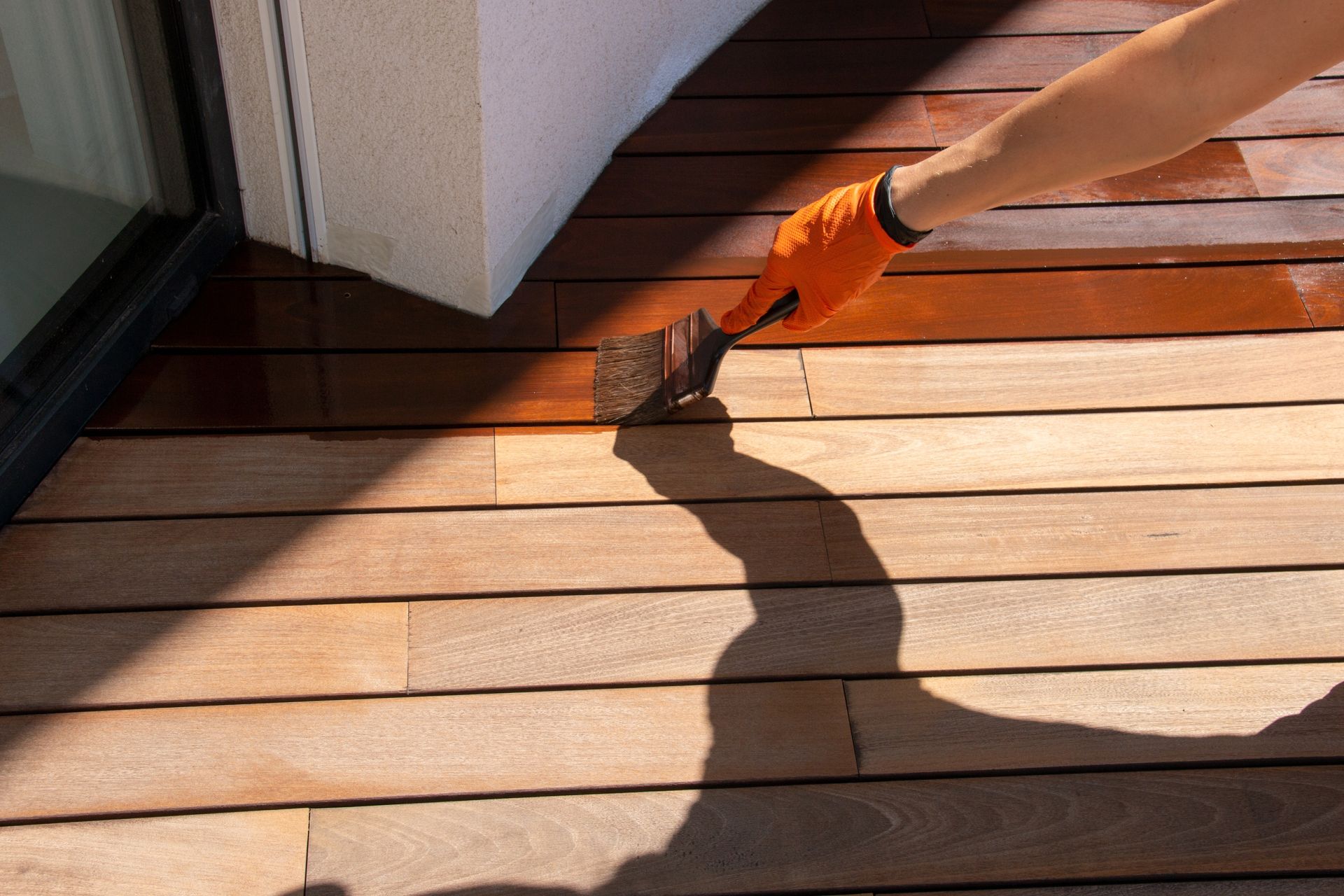
► You must commit to chemically stripping, sanding, and resealing a wood deck every two to three years to maximize its lifespan.
If you miss a sealing cycle, the ultraviolet rays will rapidly gray the wood and break down the cellular structure on the surface. A neglected treated wood deck will begin to suffer from rot and structural failure in as little as ten to twelve years. If you are not willing to perform the grueling maintenance, wood is a poor long term investment.
How Installation Quality Dictates Final Results
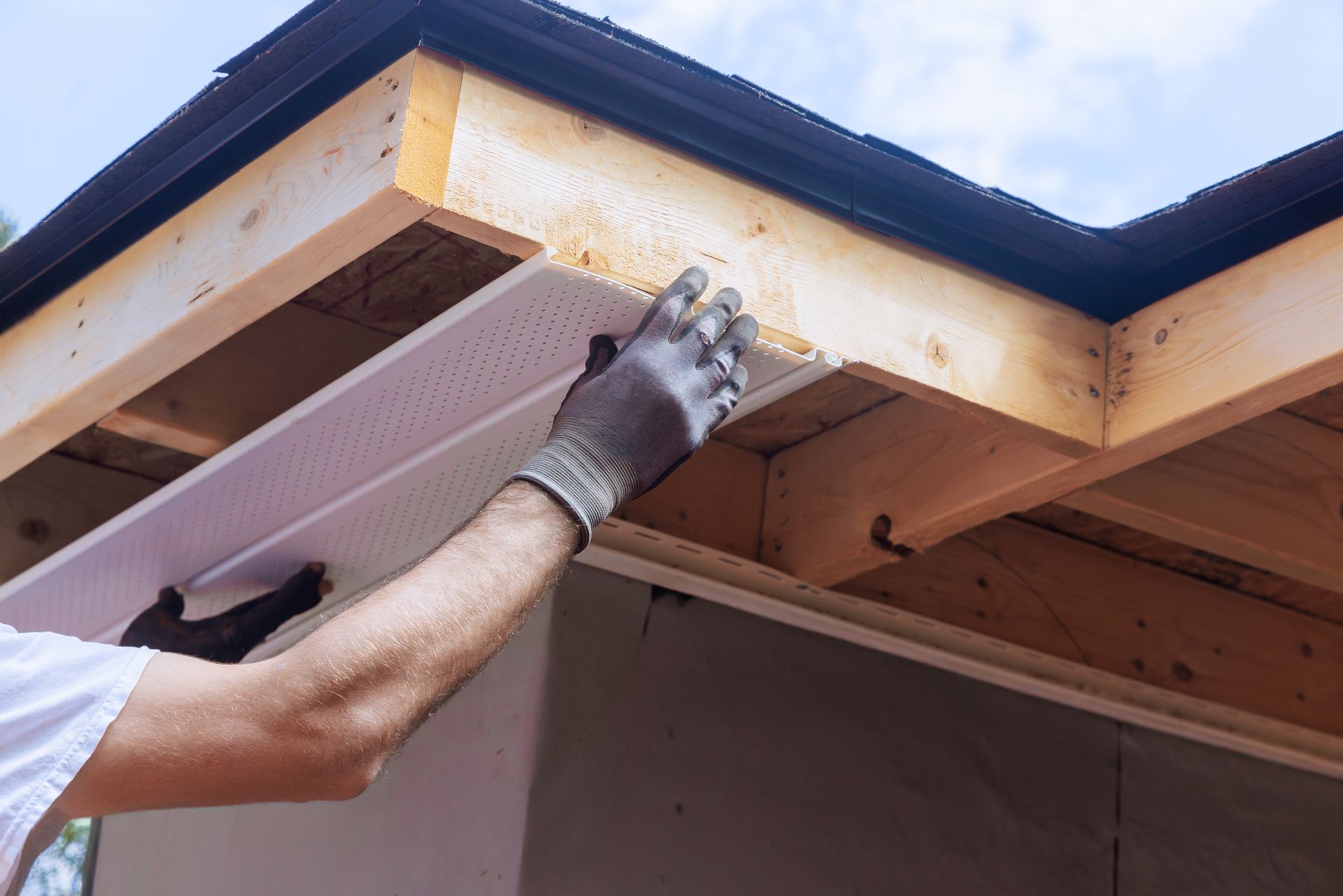
The best materials in the world will fail quickly if installed poorly by an untrained crew. Wood decks require specific bark side up board orientations to control how the lumber naturally cups as it dries. Synthetic boards require precise gapping to allow the plastic to expand and contract with temperature swings. If a contractor installs PVC boards too tightly in the winter, they will buckle and warp when the summer heat expands the material.
Frequently Asked Questions
How long does a treated wood deck actually last?
A standard pressure treated pine deck typically lasts fifteen years if it receives moderate maintenance. If the property owner is rigorous about annual cleaning and applies a high quality penetrating oil every two years, the lifespan can stretch to twenty years. If the deck is completely neglected and left bare, the boards will often begin to rot and fail within ten years.
Does PVC decking warp in direct sunlight?
High quality PVC boards are engineered to handle intense direct sunlight without warping, provided they are installed correctly. Warping in synthetic boards is almost always caused by improper joist spacing or failing to leave adequate expansion gaps at the ends of the boards. The plastic must have room to grow when heated, otherwise the trapped pressure forces the boards to bow upward.
Which deck material has the lowest maintenance costs?
PVC and high end composite boards have the lowest ongoing maintenance costs over a twenty year period. While they cost twice as much as wood upfront, you completely eliminate the recurring costs of renting sanders, buying chemical strippers, and purchasing premium exterior stains. The only ongoing cost for a synthetic deck is a bottle of specialized deck soap and water from your garden hose.
Making the Right Decking Choice
Selecting the correct decking material requires matching your upfront budget with your willingness to perform annual maintenance. We install both premium synthetics and traditional wood using strict trade standards to maximize the lifespan of your investment. Reach out to Kainos Custom Homes to discuss which decking material fits your lifestyle and property needs perfectly.
Share This Blog